



Learn practical OSINT techniques to collect and verify information on people and organisations for investigations, due diligence, compliance and risk management.


SUCCESSFUL TRACK RECORD SINCE 2004
We have trained thousands of professionals from over 200 organisations spanning across different industries

HIGHLY PRACTICAL AND RELEVANT COURSES
Our workshops provide the participants with the knowledge and skills to solve real-world problems and make informed decisions

MASTER PRACTITIONER AND EXPERT TRAINER
Our team of industry experts brings real-world experience and knowledge to every training program we offer
TRAINING SPECIALISATION
SCHEDULES

Those involved in any form of investigation works need to learn how to deal with digital evidence because digital devices have become a ubiquitous part of life, and criminals often use them to commit crimes.
Date:
31 Aug 2026
Fees (from): S$748.25

Discover the stories hidden in data. Gain Excel & AI skills to help non-analysts provide actionable insights for data-driven decisions.
Date:
24-25 Sep 2026
Fees (from): S$1,396.50

Don’t let AI write for you — write with it! Using our CPTe Writing Framework, turn AI-generated drafts into high-impact, human-centered content for that’s engaging, original, and authentic.
Date:
23 Jul 2026
Fees (from): S$698.25

Struggling to create visually appealing content with Canva professional templates? Design Hacks is your solution. This course is tailored for corporate professionals who find design a frustrating and time-consuming task. Discover essential design shortcuts that will transform your Canva templates into visually impactful communications.
Date:
22 May 2026
Fees (from): S$698.25

When your slides rock, your whole presentation pops to life. Learn how to create slick and charming presentation decks that pull in and keep your audience captivated, but in an understated way.
Date:
24 Jul 2026
Fees (from): S$698.25

A good report must set out the nature of the allegations, show relevant facts, and provide the evidence collected. It needs to be written objectively and fairly so that the responsible authority will rely on it to determine the appropriate actions to take.
Date:
25 Aug 2026
Fees (from): S$698.25

This course is designed to reinforce techniques and sound fundamentals of interview and interrogation process for law enforcement officers, investigation officers, regulators, intelligence personnel and all who are involved in external investigation.
Date:
26-27 Oct 2026
Fees (from): S$1,396.50
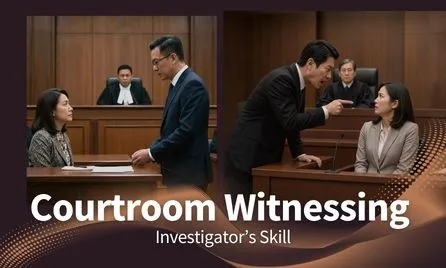
Improve courtroom witnessing skills through the rare perspective of a top-rated defence counsel. Learn how witness credibility, evidence and testimony are tested under cross-examination.
Date:
28-29 Sep 2026
Fees (from): S$1,396.50

Learn contract negotiation skills tailored for Singapore civil servants. Build confidence, manage impasses, and tactics for real-world, virtual, and cross-cultural contract scenarios.
Date:
29 Jul 2026
Fees (from): S$698.25


WHAT OUR CUSTOMERS SAY